
The Real Cost of Avoiding Dental Implants
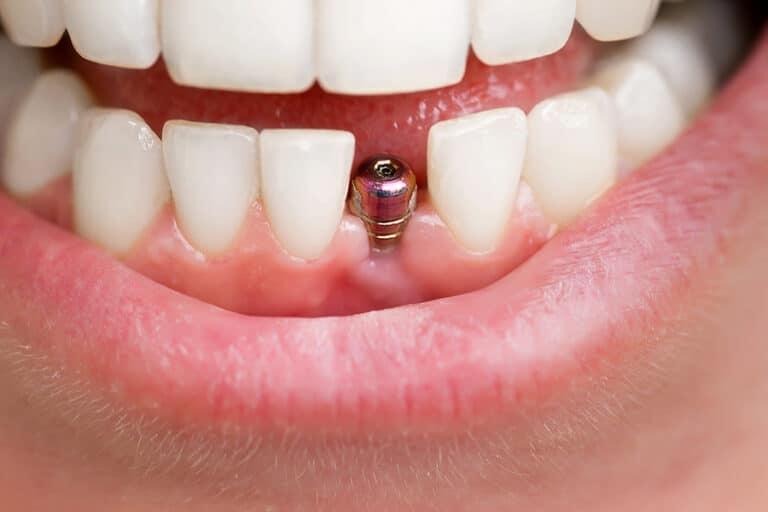
Many people put off replacing missing teeth because the upfront cost feels overwhelming. It is easy to focus on the price tag in front of you without considering what avoiding treatment actually costs over time. When you factor in the long-term consequences of leaving a gap in your smile, dental implants begin to look far less expensive than most people initially assume.
The Smarter Way to Think About Implant Pricing
Shifting your perspective on cost is the first step toward making a confident decision. Patients actively looking for cheap and affordable dental implants Pittsburgh PA are often surprised to find that implants, when viewed as a long-term investment, frequently outperform cheaper short-term alternatives in both durability and overall value. The math tends to favor implants more than most expect.
Cheaper Alternatives Come with Hidden Costs
To begin with, dentures and dental bridges are often chosen over implants because of their lower initial price. However, these solutions come with ongoing maintenance costs that accumulate significantly over time. Dentures require adhesives, adjustments, and periodic replacements. Bridges involve altering healthy neighboring teeth, which can lead to additional dental work down the road. What appears cheaper upfront often becomes considerably more expensive over a decade of use.
Bone Loss Makes Waiting More Costly
Moreover, delaying tooth replacement accelerates bone loss in the jaw, and that has real financial consequences. When the jawbone deteriorates, more extensive preparatory procedures such as bone grafting may be required before an implant can even be placed. Acting sooner rather than later not only protects your oral health but also keeps your total treatment cost lower by avoiding the need for these additional steps.
Implants Are Built to Last Decades
Another factor worth considering is the lifespan of dental implants compared to other restorations. A well-placed and properly maintained implant can last twenty years or longer, with many patients keeping theirs for a lifetime. Bridges typically need replacement every ten to fifteen years. When you divide the cost of an implant across its full lifespan, the annual expense is often lower than that of repeated bridge or denture replacements. Longevity is a genuine form of savings.
Financing Turns a Large Cost into Small Steps
Finally, the way most modern dental practices structure their payment options makes the upfront cost far less of a barrier than it once was. Flexible financing plans, interest-free periods, and third-party lending options allow patients to begin treatment immediately and pay overtime in amounts that fit comfortably within a monthly budget. Waiting until you can pay in full often means waiting indefinitely, while financing means your oral health does not have to be put on hold.
Conclusion: The Smarter Way to Think About Implant Pricing
When you look beyond the sticker price and consider longevity, bone preservation, and the true cost of alternatives, dental implants consistently prove their value. Affordable options and flexible financing make them more accessible than ever. Rather than letting cost assumptions delay your decision, take the time to explore what modern implant dentistry actually offers. Your long-term oral health, and your wallet, will thank you for it.
Recent Comments