Planning a Kitchen Remodel That Works

A kitchen sits at the center of daily life. It handles meals, homework, and late-night snacks all in one space. When the layout feels tight or the finishes look dated, everything gets harder. A well-planned remodel fixes those frustrations. Here is what homeowners should consider before the first cabinet comes out.

Getting Your Kitchen Plan Right

Tired of a kitchen that fights you every time you cook? Skilled kitchen remodel Marietta GA homeowners choose starts with a plan built around how you actually live. Here is where to begin.

Start With How You Cook

Think about your daily routine before choosing any finishes. Do you bake often or entertain large groups? Do kids need a homework spot at the island? Answers like these shape the layout. A cook who prepares big meals needs more counter space near the stove. Designing around real habits creates a kitchen that feels natural from the first day.

Choose a Layout That Flows

The layout controls how easily people move through the room. Galley designs suit narrow spaces, while open plans encourage conversation. An island adds seating and prep room when space allows. Keep walkways wide enough for two people to pass. Good flow prevents crowding during busy mornings. It also makes the kitchen safer when several people share the space.

Prioritize Storage Solutions

Clutter ruins even beautiful kitchens. Deep drawers hold heavy pots better than low shelves. Pull out organizers make corner cabinets useful again. A walk-in pantry or tall cabinet stores bulk items neatly. Plan storage early, since it affects cabinet size and placement. Smart storage keeps counters clear and makes cooking faster every day.

Balance Style and Durability

Kitchens face heat, moisture, and constant use. Quartz countertops resist stains and scratches with little upkeep. Durable flooring handles spills and heavy foot traffic. Pick finishes that suit your home but avoid fleeting trends. Timeless choices age gracefully and appeal to future buyers. Balancing looks with toughness protects the investment for many years.

Set a Budget with a Cushion

Decide what matters most before requesting quotes. Separate must haves from nice extras. Then add a cushion for surprises hidden behind walls. Older homes often reveal plumbing or wiring issues once demolition starts. A clear budget keeps decisions calm and focused. It also helps the project finish without stressful last-minute compromises.

Conclusion: Getting Your Kitchen Plan Right

A great remodel begins with understanding how you use the space. Smart layouts, generous storage, and durable finishes all work together. A realistic budget with room for surprises keeps everything on track. Take time to plan carefully, and the finished kitchen will serve your household comfortably for years to come.

Hotel Upgrades That Win Better Guest Reviews

Online reviews shape hotel bookings more than almost any advertisement. Guests notice worn carpet, dim lighting, and tired bathrooms right away. They also share those details with thousands of strangers. A smart renovation fixes the problems that guests mention most. It turns complaints into praise and raises nightly rates over time. Small choices often make the biggest difference. Every dollar should earn its place. Here is how property owners can choose upgrades that improve satisfaction and protect long term revenue.

Upgrades That Earn Five Star Praise

Wondering which improvements actually change how guests rate their stay? Experienced hotel renovation contractors Atlanta GA property owners choose focus on upgrades guests notice first. Here is what matters most before construction begins.

Comfortable Beds and Quiet Rooms

Sleep quality drives reviews more than any other factor. Guests remember a mattress that felt supportive or a room that stayed quiet. Upgrading bedding, blackout curtains, and window seals costs less than a full redesign. Soundproofing between rooms also reduces complaints about noisy neighbors. These changes improve rest immediately. Guests notice the difference the first night. Better sleep leads to happier guests, stronger ratings, and more repeat bookings. Owners often see review scores climb soon after finishing these room updates.

Modern Bathrooms Matter Most

Bathrooms carry huge weight in guest impressions. Dated tile, weak water pressure, and poor lighting stand out quickly. Updated vanities, walk in showers, and quality fixtures create a spa like feel. Good ventilation prevents musty smells and mildew. Durable, easy to clean surfaces keep housekeeping efficient. Guests often mention clean, modern bathrooms in their reviews. This single space can lift the entire stay in the guest’s mind. Investing here usually delivers a strong return compared with cosmetic changes in rarely seen areas.

Welcoming Lobbies and Common Areas

The lobby sets expectations before guests reach their rooms. Fresh flooring, warm lighting, and comfortable seating create an instant welcome. A clear, efficient check in area reduces frustration after long travel. Breakfast spaces and lounges deserve attention too. Guests linger in areas that feel inviting and clean. Strong first impressions carry through the entire stay. They also encourage guests to recommend the property to friends and colleagues. Thoughtful design here also helps staff work more smoothly during busy check in hours.

Smart Technology and Energy Savings

Guests expect fast Wi-Fi, easy device charging, and simple room controls. Smart thermostats and keyless entry add convenience while cutting operating costs. LED lighting and efficient HVAC systems lower utility bills every month. Occupancy sensors reduce waste in empty rooms. These upgrades please guests and improve the bottom line at the same time. Owners who plan technology early avoid expensive rewiring later. Guests also appreciate outlets placed near beds and desks. Smart planning keeps the renovation practical and profitable.

Conclusion: Upgrades That Earn Five Star Praise

Successful hotel renovations focus on what guests notice and remember. Comfortable rooms, modern bathrooms, and welcoming lobbies build strong reviews. Smart technology and efficient systems add value behind the scenes. Prioritize upgrades that solve real guest complaints first. Small, focused changes often outperform expensive full redesigns. Work with a team that understands hospitality demands and tight schedules. With the right plan, every dollar spent returns better ratings, happier guests, and a stronger reputation for years ahead.

The Real Cost of Avoiding Dental Implants

Many people put off replacing missing teeth because the upfront cost feels overwhelming. It is easy to focus on the price tag in front of you without considering what avoiding treatment actually costs over time. When you factor in the long-term consequences of leaving a gap in your smile, dental implants begin to look far less expensive than most people initially assume.

The Smarter Way to Think About Implant Pricing

Shifting your perspective on cost is the first step toward making a confident decision. Patients actively looking for cheap and affordable dental implants Pittsburgh PA are often surprised to find that implants, when viewed as a long-term investment, frequently outperform cheaper short-term alternatives in both durability and overall value. The math tends to favor implants more than most expect.

Cheaper Alternatives Come with Hidden Costs

To begin with, dentures and dental bridges are often chosen over implants because of their lower initial price. However, these solutions come with ongoing maintenance costs that accumulate significantly over time. Dentures require adhesives, adjustments, and periodic replacements. Bridges involve altering healthy neighboring teeth, which can lead to additional dental work down the road. What appears cheaper upfront often becomes considerably more expensive over a decade of use.

Bone Loss Makes Waiting More Costly

Moreover, delaying tooth replacement accelerates bone loss in the jaw, and that has real financial consequences. When the jawbone deteriorates, more extensive preparatory procedures such as bone grafting may be required before an implant can even be placed. Acting sooner rather than later not only protects your oral health but also keeps your total treatment cost lower by avoiding the need for these additional steps.

Implants Are Built to Last Decades

Another factor worth considering is the lifespan of dental implants compared to other restorations. A well-placed and properly maintained implant can last twenty years or longer, with many patients keeping theirs for a lifetime. Bridges typically need replacement every ten to fifteen years. When you divide the cost of an implant across its full lifespan, the annual expense is often lower than that of repeated bridge or denture replacements. Longevity is a genuine form of savings.

Financing Turns a Large Cost into Small Steps

Finally, the way most modern dental practices structure their payment options makes the upfront cost far less of a barrier than it once was. Flexible financing plans, interest-free periods, and third-party lending options allow patients to begin treatment immediately and pay overtime in amounts that fit comfortably within a monthly budget. Waiting until you can pay in full often means waiting indefinitely, while financing means your oral health does not have to be put on hold.

Conclusion: The Smarter Way to Think About Implant Pricing

When you look beyond the sticker price and consider longevity, bone preservation, and the true cost of alternatives, dental implants consistently prove their value. Affordable options and flexible financing make them more accessible than ever. Rather than letting cost assumptions delay your decision, take the time to explore what modern implant dentistry actually offers. Your long-term oral health, and your wallet, will thank you for it.

The Link Between Oral Health and Overall Wellness: Why Seeing a Dentist Matters 

When we think about health, we often focus on diet, exercise, and regular doctor visits. However, oral health is just as important and can have a major impact on your overall wellness. Your mouth is a gateway to the rest of your body, and keeping it healthy goes beyond having a bright smile.  

Why Seeing a Dentist Regularly Is Important 

Let’s explore why seeing a Raleigh dentist regularly plays a key role in maintaining your total health. 

Oral Health Reflects Your Body’s Condition 

Your mouth can reveal early signs of many health issues. Problems like gum disease, infections, or even changes in your tongue and gums can signal conditions such as diabetes, vitamin deficiencies, or immune disorders. 

Dentists are trained to spot these warning signs during routine checkups. By catching problems early, they help prevent complications that could affect your whole body. This connection shows how oral health and overall health go hand in hand. 

Preventing Gum Disease Protects Your Heart 

One of the most studied links between oral and overall health involves gum disease and heart health. Research has found that bacteria from infected gums can enter the bloodstream and contribute to inflammation in the arteries. 

This inflammation may increase the risk of heart disease, stroke, and other cardiovascular problems. By seeing your dentist regularly and maintaining good oral hygiene, you reduce the chances of gum disease and protect your heart. 

Oral Care Can Help Manage Diabetes 

Diabetes and oral health have a two-way relationship. People with diabetes are more prone to infections, including gum disease. On the flip side, untreated gum disease can make it harder to control blood sugar levels. 

Regular dental visits allow for early detection and treatment of oral infections, helping you keep diabetes in check. Dentists often work closely with your medical team to support your overall health management. 

Improving Oral Health Boosts Mental Well-being 

Having a healthy mouth can improve your self-esteem and confidence. When you’re free of pain or discomfort, you’re more likely to smile, socialize, and enjoy life. Conversely, oral problems can lead to embarrassment, anxiety, and even depression. 

Seeing your dentist regularly ensures that small issues don’t become big problems, helping you maintain a positive outlook and emotional wellness. 

Regular Dental Visits Save Money and Time 

Preventive dental care isn’t just good for your health—it’s good for your wallet too. Routine checkups and cleanings help catch cavities, infections, and other problems early, when treatment is simpler and less expensive. 

By investing in your oral health now, you avoid costly procedures like root canals, extractions, or oral surgeries later. This proactive approach saves you time, money, and discomfort in the long run. 

Conclusion: Why Seeing a Dentist Regularly Is Important 

Taking care of your mouth is about much more than just teeth and gums—it’s a vital part of your overall well-being. Regular visits to your dentist help detect health issues early, prevent serious diseases, and improve your quality of life. So next time you think about your health routine, remember to include your dental checkups. After all, a healthy smile is a key part of a healthy you. 

Common Electrical Challenges in Commercial Buildings (And How Electricians Solve Them) 

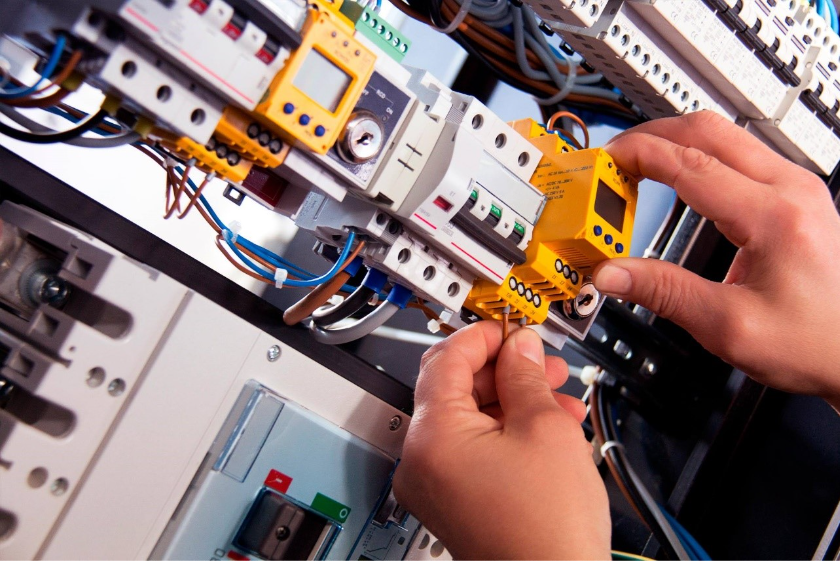
Commercial buildings are complex environments with high energy demands, heavy equipment, and intricate electrical systems. With so many moving parts, it’s no surprise that electrical challenges arise more often in commercial properties than in residential ones. These problems can affect productivity, safety, and even regulatory compliance.  

How Commercial Electricians Solve Common Issues in Commercial Establishments 

Fortunately, a commercial electrician Charleston SC is trained to handle these challenges efficiently and safely. Let’s explore the most common issues and how professionals resolve them. 

Power Surges and Electrical Overloads 

One of the most frequent electrical issues in commercial spaces is power surges. These sudden spikes in voltage can be caused by faulty wiring, damaged equipment, or even lightning. Surges can damage electronics, reduce the lifespan of machinery, and lead to unexpected downtime. 

Commercial electricians address this by installing surge protection systems and upgrading circuits to handle higher loads. In many cases, they also isolate sensitive equipment onto separate circuits to reduce risk and prevent overload. 

Faulty or Outdated Wiring 

Older commercial buildings often have outdated or deteriorating wiring that can’t support modern energy demands. This can result in flickering lights, warm outlets, or even dangerous electrical fires. 

Electricians start by inspecting the building’s wiring and identifying high-risk areas. They may recommend rewiring sections of the building, replacing corroded conductors, or upgrading to modern wiring materials that are more efficient and safer. Up-to-code wiring also ensures compliance with fire and safety regulations. 

Tripped Breakers and Inconsistent Power 

Tripped breakers are a sign that a circuit is carrying too much electricity. In a busy commercial space—especially one with heavy machinery or a high-tech office—this can happen often. 

Electricians resolve this issue by redistributing electrical loads or upgrading panels to accommodate higher power needs. Sometimes they’ll recommend installing subpanels to segment energy distribution more efficiently, reducing the strain on the main electrical panel. 

Lighting Problems and Inefficiency 

Commercial spaces depend heavily on good lighting for safety, productivity, and appearance. Flickering bulbs, burnt-out fixtures, or dimly lit areas not only make workspaces uncomfortable but may also violate safety codes. 

A professional electrician can diagnose the issue—whether it’s poor wiring, a failing ballast, or outdated lighting fixtures. Many commercial electricians also assist with lighting retrofits, replacing old fluorescent or incandescent systems with energy-efficient LED lighting, motion sensors, and programmable timers to reduce energy costs. 

Inadequate Electrical Capacity 

As businesses grow and adopt more equipment, their energy needs increase. Unfortunately, many buildings are not originally designed to support high-tech tools, large servers, or modern HVAC systems. 

Electricians help by assessing current energy usage and calculating future needs. If capacity is insufficient, they may upgrade service panels, install additional circuits, or recommend new transformer systems. This ensures the building can keep up with demand safely and without interruptions. 

Conclusion: How Commercial Electricians Solve Common Issues in Commercial Establishments 

Electrical issues in commercial buildings are more than just inconvenient—they can halt operations, risk safety, and impact a company’s bottom line. With the right professional help, you can keep your building powered safely and efficiently while avoiding unexpected disruptions.